- Welcome to Chamber of Food Industries
- +2-0121-2222670
- +202-257-48627
- info@egycfi.org.eg

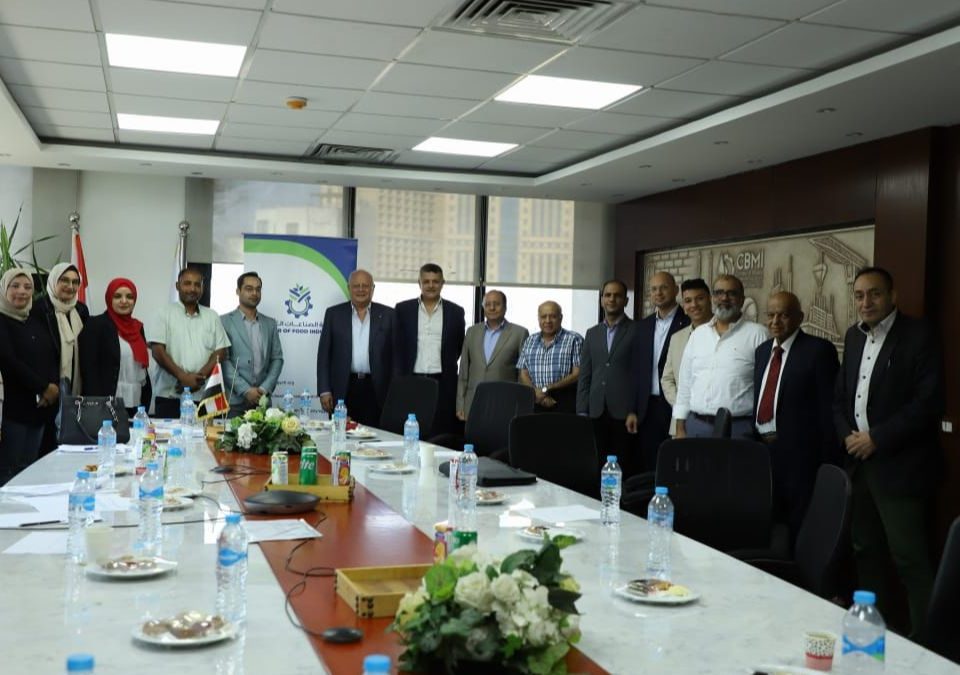
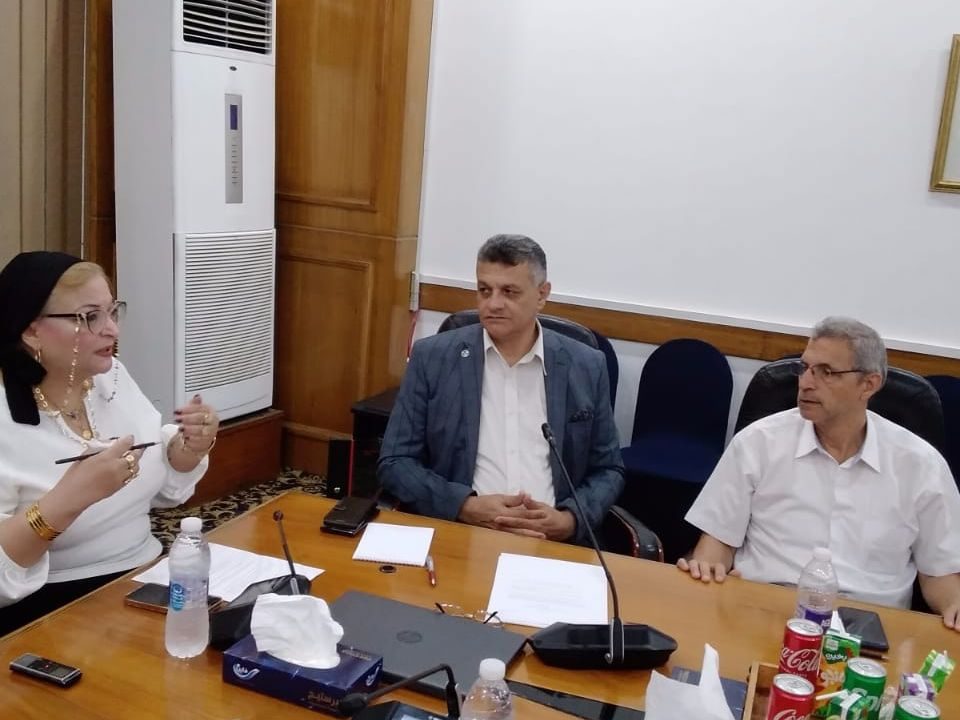
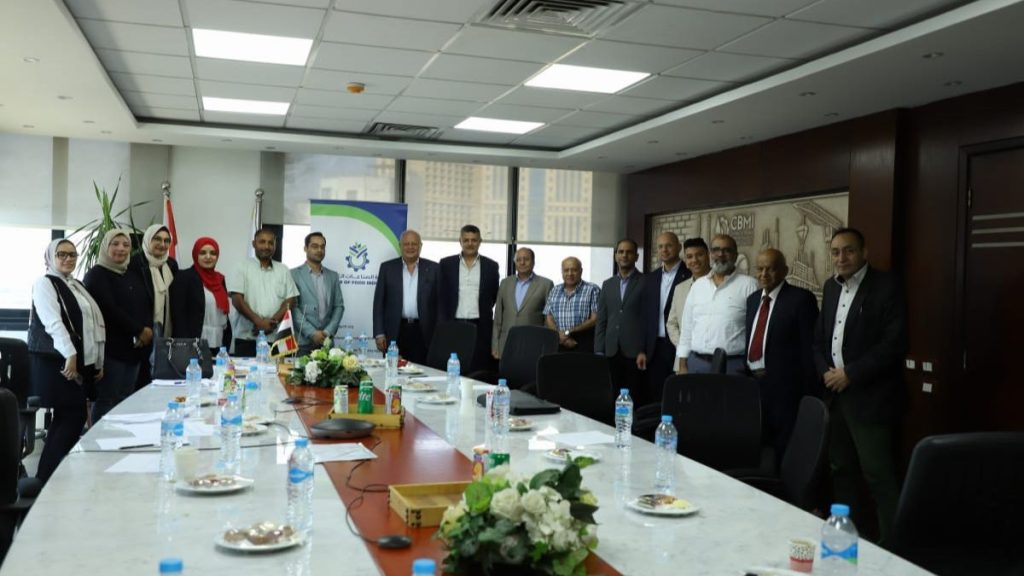
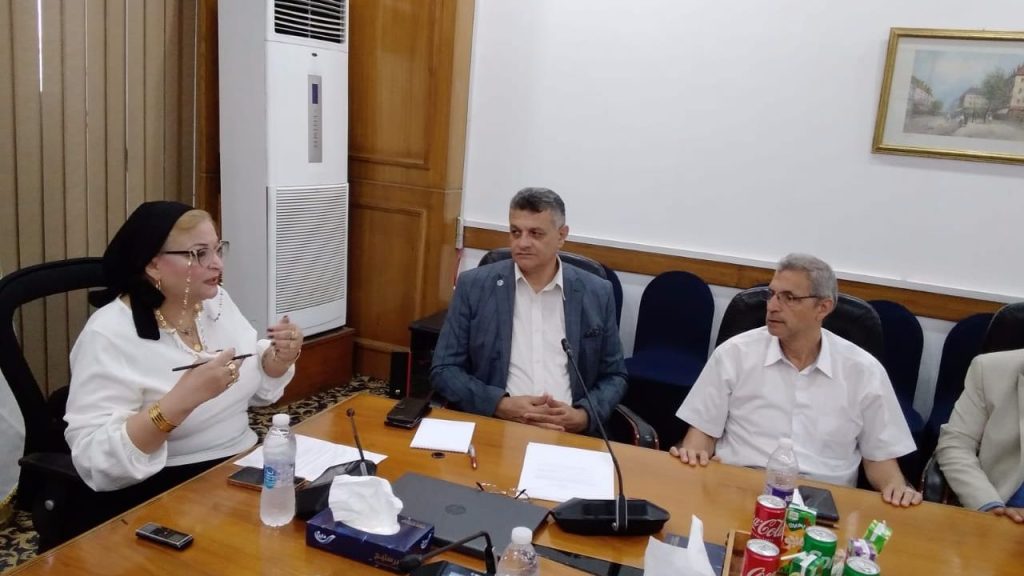
Regular meeting of the Oils Division
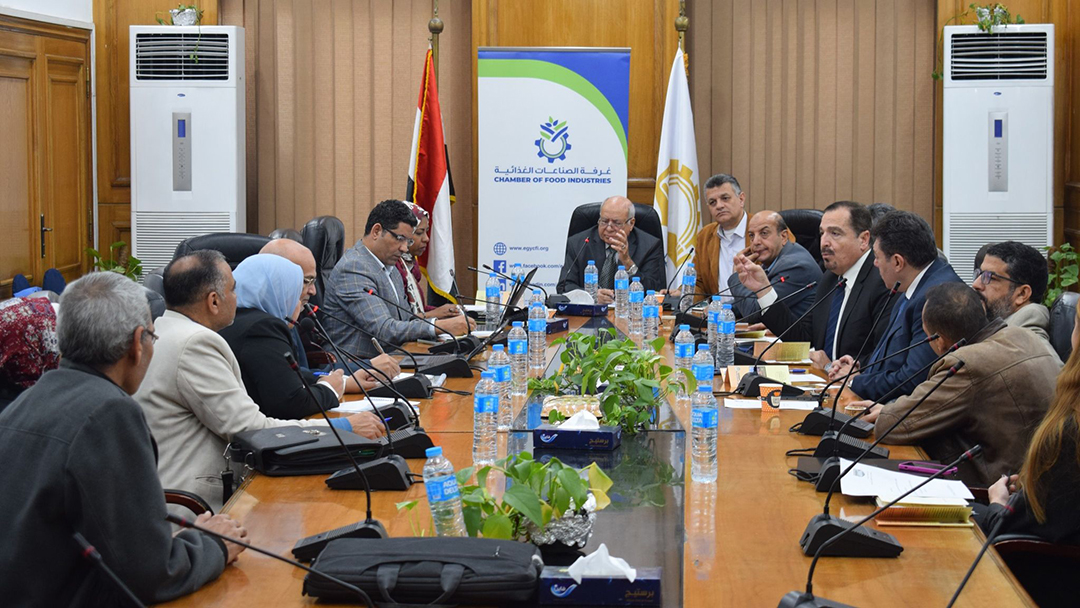
The Oil Division at the Chamber of Food Industries held its first regular meeting for the year of 2024 to discuss the most important challenges facing the sector during the current period and ways to advance the national industry, expand the cultivation of oil crops, and establish factories to extract and manufacture vegetable oils, headed by Engineer Attia Bassiouni Shaaban, Vice President of the Division, and in the presence of: Dr. Mohamed Abdel Fadil, Director of the General Department of Factory Control at the National Food Safety Authority, Dr. Mahmoud Melam, Director of the Warehouse Inspection Department at the Authority, Dr. Esraa Mousa, responsible for the oils sector at the Authority, Dr. Elham Younis from the Desert Research Center of the Ministry of Agriculture, Dr. Imad Mohamed Ali, responsible for the food sector in the Environmental Compliance Office, Dr. Adel Ismail, head of the Special Foods and Additives Division at the Chamber, and a number of member food factories.
Dr. Attia Bassyouni Shaaban, Deputy Head of the Division, stressed the importance of the state encouraging the cultivation, marketing and manufacturing of oil crops to meet the needs of the local market for oils and rationalizing imports, as about 95% of the needs are imported annually. Dr. Shaaban explained the necessity of expanding the cultivation of oil crops to gradually achieve self-sufficiency in oils in light of the rise in oil prices globally as a result of the supply chain crisis and the rise in shipping costs, starting with the Corona pandemic.
He stressed that 10% of our oil needs can be provided within one year in light of the availability of large areas of new land, especially in the Siwa region, which represents an extension of the new delta, through establishing an integrated project for cultivating oil and fodder crops on an area of 120 acres in the Siwa Oasis, suitable for growing soybeans. And sunflowers and sesame, alternately with the cultivation of corn, wheat, and barley, in addition to establishing factories for extracting vegetable oils, refining, and fodder, and establishing projects to develop livestock and poultry.
Dr. Mohamed Abdel-Fadil announced that the National Food Safety Authority’s Inspection Department had issued three lists for registration, qualification, and accreditation. Dr. Esraa Mousa also announced that the Authority had issued two binding decisions regarding the maximum limits for trans fats in food, to be effectively implemented next April 17, and the second is concerned with how to dispose of vegetable oil waste. And food fats, which will be done through companies licensed to manage waste affairs from the Environmental Affairs Agency.
During the meeting, the results of the Desert Research Center’s guidance campaign concerned with improving the economic efficiency of oil crop value chains and updated inspection lists for food industrial facilities were reviewed, and the basic requirements for food safety in storage facilities were presented. The services of the Environmental Compliance Office of the Federation of Egyptian Industries were also presented, including financing companies with easy interest and terms for environmental compatibility projects. Dr. Mohamed Abdel Fadil also responded to members’ inquiries about the inspection system and the factories’ fulfillment of the requirements and registration requirements with the Authority.